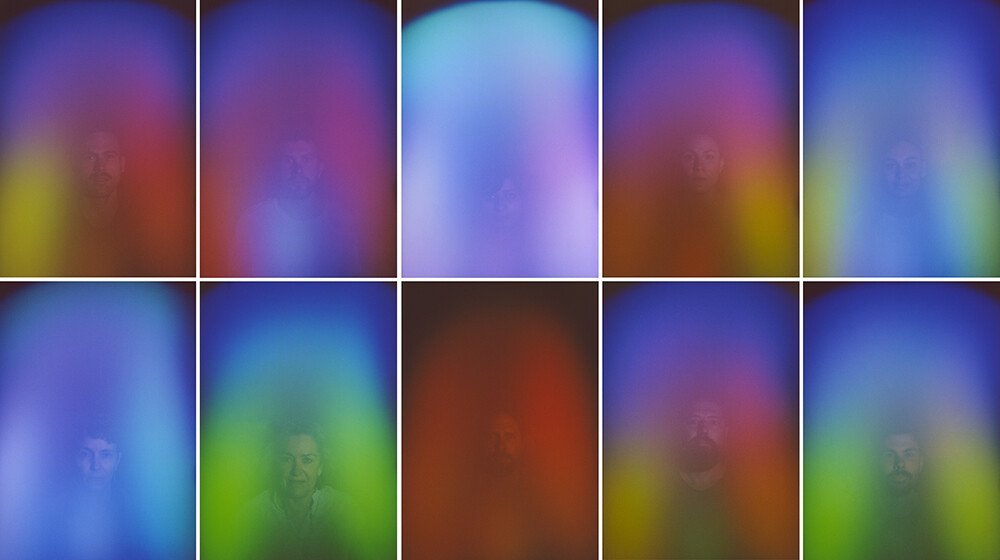

Have you ever walked into a room and immediately sensed something was “off,” even before a word was spoken? That intuitive nudge may be your sensitivity to the human aura—a subtle electromagnetic field that surrounds all living things. With time, practice, and intention, anyone can learn to perceive auras. Whether you’re exploring this for personal insight, energy healing, or deeper spiritual awareness, this article will guide you through beginner-friendly techniques to help you tune into this vibrant layer of human energy.
What Is an Aura?
An aura is the energetic field that extends outwards from the body, often described in metaphysical traditions as containing information about an individual’s emotional, mental, physical, and spiritual state. While science hasn’t conclusively proven the existence of auras, many energy practitioners, spiritual teachers, and sensitives report the consistent ability to perceive and interpret them.
Some people can see auras instantly, while others need time to awaken this skill. It is a capacity that improves with patience, mindfulness, and regular practice. More importantly, this work must always be approached with sensitivity, ethical responsibility, and the highest good in mind.
Partner Aura Viewing Exercise
Practicing with a partner can enhance your learning, give you immediate feedback, and make the process more enjoyable. Follow these steps for a safe, focused exploration.
Step-by-Step:
- Prepare Together
Sit or stand quietly with your partner and take several deep, diaphragmatic breaths. If you practice meditation, spend 5–10 minutes centering yourself first. - Set the Scene
Work in a softly lit room with a plain white or light-colored background. Have your partner stand about two feet from the wall. - Initial Focus
Ask your partner to raise a finger six inches in front of their forehead (the brow chakra). Gaze gently at the finger, then have them lower it—while you continue looking at the same spot. Allow your eyes to soften. - Adjust Your Vision
Keep looking for 30–60 seconds, allowing your sight to go slightly out of focus. You may notice a faint glow or outline around your partner’s body. - Affirmation
Speak an intention aloud:
“I am able to see auras and the spectrum of colors they contain. I do so only for the highest good of myself and others.”
Your partner may say: “I give permission for [Name] to see the colors in my aura for the highest good.” - Observe Subtle Light Changes
As you concentrate, the energy field may become brighter or change color, especially when your partner shifts thoughts or emotions. - Controlled Breathing
Use a simple 4-4-4 breath (inhale for four, hold for four, exhale for four). This supports your energy field and attunes your perception. - Explore the Layers
Start with the densest white or blue glow close to the body. As you develop your skill, begin observing outer layers which may reveal colors, patterns, or fluctuations. - Record What You See
After each session, sketch your impressions. Note any sensations, thoughts, or shifts in energy. Over time, patterns will emerge. - Compare and Reflect
Share and compare notes with your partner. This helps validate your impressions and deepen your understanding.
Viewing Your Own Aura
If you prefer to work solo or don’t have a partner, you can still explore aura perception using a mirror and mindful attention.
How to Begin:
- Quiet Preparation
Find a calm, quiet space. Turn off your phone and ensure minimal noise. Begin with a breathing or meditation practice to center yourself. - Setup
Use a dimly lit room with a mirror positioned in front of a light-colored wall. Side-lighting from a lamp (not direct light) works best. - Affirmation Practice
Speak aloud:
“I am able to see my aura and the colors it reveals. This is for my highest good and personal evolution.” - Gaze Gently
Stand 18 inches from the mirror. Soften your eyes and focus slightly above your head or around your shoulders. Allow your eyes to blur gently. - Breathwork
As you breathe in and out, observe whether the energy around you expands or contracts. Recite silent counts (1 to 4) or visualize energy flowing with each breath. - Visualize Color
Think of a specific color—imagine it filling your field. Ask yourself: “What happens when I shift my thoughts or mood?” - Keep a Journal
Draw or write what you see and feel. Over days and weeks, you may notice stronger colors, movement, or even shapes. - Experiment and Reflect
Each person perceives differently. Some may “see,” others may “sense.” Trust your impressions. This is a process of intuitive refinement.
Interpreting Colors in the Aura
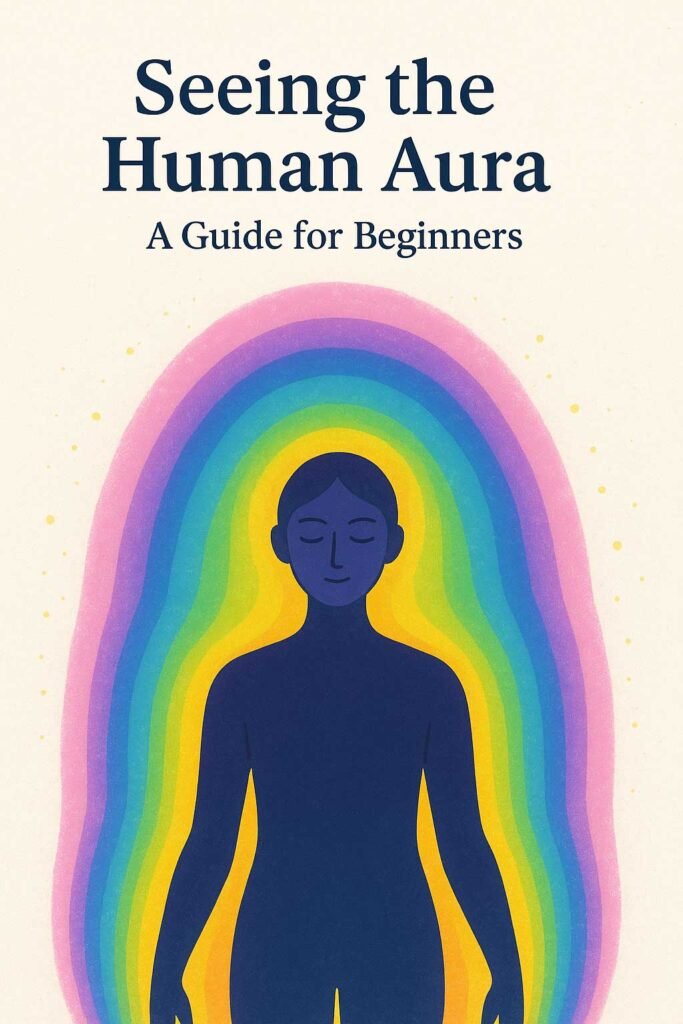
While interpretations vary by tradition, here is a basic overview:
- Red – Energy, action, passion, or anger
- Orange – Creativity, emotional expression
- Yellow – Optimism, mental activity
- Green – Healing, growth, balance
- Blue – Communication, peace, sensitivity
- Indigo/Violet – Intuition, spiritual awareness
- White/Silver – Purity, high-frequency energy
Over time, you may create your own intuitive map of meanings based on repeated patterns and personal resonance.
Final Thoughts
Working with the aura is a sacred and subtle process. It opens a door to deeper awareness of the interconnectedness between physical, emotional, and spiritual health. Whether for personal insight or as part of a healing practice, viewing the aura helps cultivate sensitivity, presence, and reverence for the unseen layers of life.
References
Tiller, William A. Conscious Acts of Creation: The Emergence of a New Physics. Pavior, 2001.
Brennan, Barbara Ann. Hands of Light: A Guide to Healing Through the Human Energy Field. Bantam, 1987.
Leadbeater, C.W. The Aura: Its Nature and Meaning. Theosophical Publishing House, 1927.
Judith, Anodea. Wheels of Life: A User’s Guide to the Chakra System. Llewellyn Publications, 1999.
Myss, Caroline. Anatomy of the Spirit. Harmony Books, 1996.