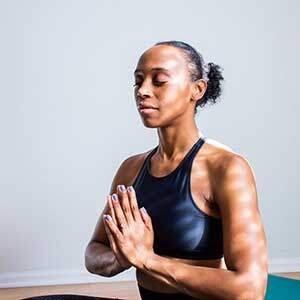

In our fast-paced, demanding world, the idea that a profound sense of peace can be found by simply sitting and breathing can seem almost too good to be true. Yet, this is the core of many Zen meditation and mindfulness traditions. The power of these simple breathing techniques is that they connect you directly to the present moment, offering an anchor in the storm of daily life. They can be done anywhere, at any time—on a bus, at your desk, or before sleep—making this practice deceptively simple, yet remarkably effective. I have used this technique several times most day and can vouch for it’s potency. – Kevin Parker – Site Publisher.
The Practice: A Step-by-Step Guide
- Find Your Seat: Sit in a comfortable position with your back straight but not rigid. A sturdy chair with your feet flat on the floor is perfect. If you are able, sitting cross-legged on a cushion on the floor is also excellent. The upright posture is not for discipline, but to allow your diaphragm to move freely and to send a gentle signal of alertness and dignity to your brain.
- Settle In: Gently close your eyes, or if you prefer, lower your gaze to a soft focus on the floor a few feet in front of you. This minimises external distractions.
- The First Five: Take five deep, natural breaths. Don’t try to force or change anything. Simply observe the breath as it flows in and out, allowing your body to settle.
- Begin the Count: As you begin the next breath cycle, mentally and silently count “one” as you inhale through your nose and exhale through your mouth.
- Continue: On the next full breath cycle (inhale and exhale), count “two”. Repeat this process until you reach the number five.
- Repeat the Cycle: When you get to five, you can either conclude your practice or begin again at “one”.
- Pay Attention: Aim for at least a one-minute practice, or continue for as long as feels right. As you breathe, direct your full, gentle awareness to the process. Feel the air entering your nostrils, the expansion of your chest and belly, and the release of the exhalation.
The Thought Behind the Practice
Why the Breath? The Anchor of the Present Moment
Our minds are constantly time-travelling—ruminating on the past or worrying about the future. The breath, however, is always happening now. By focusing on it, you tether your awareness to the present moment, the only place where life is actually lived.
Scientifically, this practice directly influences your autonomic nervous system. Slow, deep breathing activates the parasympathetic nervous system, often called the “rest and digest” system. This counteracts the “fight or flight” response of the sympathetic nervous system, which is triggered by stress. By consciously regulating your breath, you are sending a powerful signal to your entire body that it is safe to relax, lowering your heart rate, blood pressure, and stress hormones like cortisol.
Why Count to Five? Taming the Wandering Mind
The instruction to count is not arbitrary. The mind, often called the “monkey mind” in Zen traditions, loves to leap from thought to thought. Giving it a simple, repetitive, and neutral task—like counting to five—occupies its restless nature. It’s just engaging enough to prevent your mind from being swept away by a cascade of thoughts, but not so complex that it becomes a strain.
Keeping the count low (only to five) is crucial. It prevents the practice from becoming about achievement (“I’m going to count to 500!”). The goal is not to reach a high number, but to return to “one” again and again. This act of restarting is a powerful lesson in itself: every time your mind wanders, you haven’t failed. You simply notice, and gently, without judgment, you begin again.
Deepening the Practice: From Breathing to Being

As you become comfortable with the counting, you can use this time to check in with your mind and body. As you breathe, you might consider:
- What physical sensations am I experiencing? (e.g., tightness in the chest, a feeling of lightness in the head, warmth in my hands, the feeling of my clothes on my skin.)
- What images, if any, come to mind? (e.g., colours, memories, abstract shapes.)
- What am I thinking right now?
The key is to observe without judgment. If you feel tightness, just note “tightness.” If a worry about a work deadline arises, just note “thinking.” You are not your thoughts; you are the awareness that observes the thoughts. Imagine you are sitting on a riverbank, and your thoughts, feelings, and sensations are leaves floating by on the water. You don’t have to jump in and grab them; you can simply watch them pass.
This practice of observation creates a small but profound space between you and your mental activity. In this space lies freedom—the freedom to choose how you respond to your thoughts, rather than being controlled by them. Be kind to yourself throughout this process. The goal is gentle awareness, not perfect concentration.
Practising this kind of mindful breathing can be deeply healing for your mind, body, and spirit, calming your nervous system and energising your Being. Utilising these breathing techniques can help you in countless ways, reminding you of a fundamental truth: everything in life starts and ends with a single, precious breath.