
Listen to our five-minute summary of the article below before you fly-in!
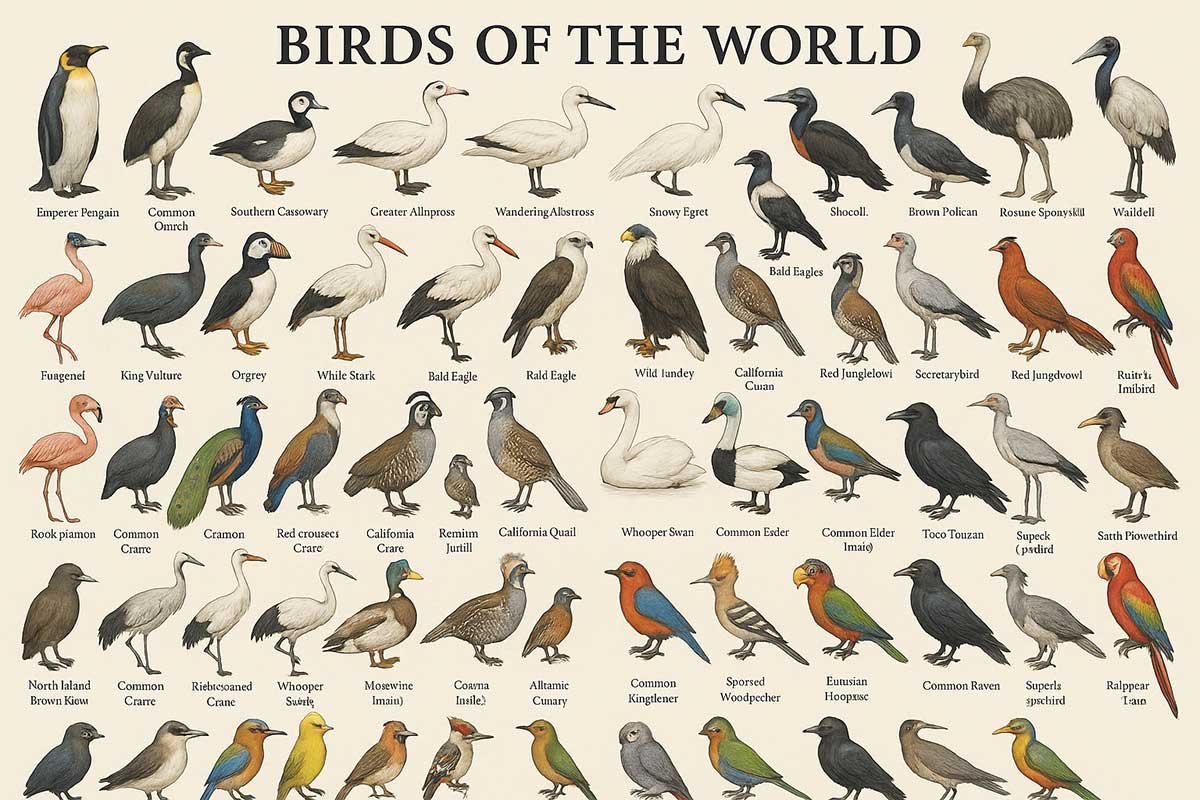
Birds, with their vibrant plumage, melodious songs, and breathtaking aerial acrobatics, have captivated human imagination across millennia. From the smallest hummingbirds to the towering ostriches, these feathered marvels inhabit nearly every corner of our planet, showcasing an astonishing array of adaptations and behaviors. Their ubiquity and wonder extend beyond mere aesthetic appeal; birds are a testament to evolutionary adaptation, playing indispensable roles in ecosystems and human culture, yet they face critical threats demanding urgent conservation. This essay delves into the multifaceted ‘World of Birds,’ exploring their ancient origins, incredible diversity, vital ecological contributions, complex social lives, profound cultural significance, and the pressing challenges that imperil their future.
I. An Ancient Lineage: The Evolution and Diversity of Birds
Birds are not merely descendants of dinosaurs; they are dinosaurs, a living lineage tracing its origins back to the Mesozoic Era, between 150 and 200 million years ago, when their non-flying cousins roamed the Earth. This deep history has seen an extraordinary multiplication into a dizzying array of species, a variety of shapes, colors, behaviors, and ecological roles that is truly remarkable. The earliest gliding and flying birds were already expanding and diversifying alongside their non-flying relatives.1
The Cretaceous-Paleogene (K-Pg) extinction event 66 million years ago, triggered by an asteroid impact, dramatically reduced avian diversity, extinguishing many bird lineages in one fell swoop. Avian diversity crashed to a low point. However, several remarkably survived, including the ratite lineage—a group of birds still alive and thriving today. Following this catastrophic event, as global conditions slowly stabilized, life recovered, and birds experienced an “explosion of diversification.” The newly vacant ecological niches, previously occupied by other dinosaurs and flying pterosaurs, were suddenly available, spurring a phenomenon known as adaptive radiation. Nature, indeed, abhors a vacuum, and birds rapidly adapted to fill these vacancies, evolving into new species and dramatically different lineages to exploit untapped resources. Most modern bird groups can be traced back to this “wild west” period just after the Big Extinction. The sheer scale of avian diversity today is exemplified by mega-diverse families like Trochilidae (hummingbirds), which alone boasts 349 species. Overall, avian diversity is arguably greater today than ever before, with an overall upward trend in life’s diversity over the last 500 million years, despite periodic mass extinctions and continuous species losses.1
This historical pattern of recovery and rapid diversification following a catastrophic bottleneck demonstrates a profound adaptive capacity inherent in birds. It suggests that while current human-driven threats are severe, the evolutionary history of birds highlights their potential for rapid diversification and adaptation, provided sufficient ecological opportunities and genetic diversity remain. This offers a degree of optimism and underscores the importance of protecting remnant populations and restoring habitats, as these actions could facilitate future adaptive responses, even if the “new normal” is different from past conditions. The current avian diversity is thus a direct consequence of a past catastrophic event, illustrating how life persists and innovates in the face of profound change.
The drivers of this incredible evolutionary journey are primarily environmental pressures, acting through natural selection. The presence of predators has driven the evolution of defensive traits in birds, such as camouflage, warning coloration, and mobbing behavior. Competition for resources, such as food, water, and breeding sites, has led to the evolution of specialized traits, including the varied beak shapes and sizes seen across different bird species. Changes in climate have influenced the distribution and abundance of bird species, with some adapting to new environments through migration.2
However, human activities, too, are now significantly impacting bird evolution, creating a novel set of selective pressures. Habitat destruction, fragmentation, and degradation are contributing to the decline of bird populations, while the introduction of invasive species is altering ecosystem dynamics and driving the evolution of new traits in bird species. Pollution, such as pesticides and heavy metals, also affects bird populations and can drive the evolution of new traits.2 This indicates a shift from natural, long-term environmental pressures to rapid, human-induced, and often unpredictable selective pressures. The “new traits” driven by human activities may not always be beneficial for the long-term health and resilience of the species in a broader ecological context. For example, adaptation to a fragmented urban habitat might reduce a species’ ability to thrive in more natural, connected landscapes. This raises concerns about “evolutionary traps” where adaptations to human-altered conditions become detrimental. Consequently, conservation efforts must consider not just preventing extinction, but also managing the very evolutionary pathways of species in an increasingly human-dominated world, potentially requiring interventions that guide adaptive responses rather than merely preserving static states.
II. The Art of Movement: Adaptations for Flight and Migration
The ability to fly has profoundly defined birds, enabling them to conquer diverse habitats and undertake epic migrations across continents. This extraordinary feat is supported by a suite of remarkable physiological adaptations. Migrating birds exhibit enhanced oxygen transfer and transport compared to non-migrators, with a greater effective area in their lungs for gas exchange and a smaller diffusion distance. They possess larger hearts, higher hemoglobin concentrations in their blood, and increased capillary density in their flight muscles, all optimizing oxygen delivery to meet the high metabolic demands of sustained flight. Fatty acids are the primary energy source for long-duration flights, and birds maintain high concentrations of fatty acid-binding proteins to efficiently transport these insoluble compounds across cell membranes and within the cytoplasm. Their flight muscles are predominantly composed of oxidative fibers, particularly in long-distance migrants, ensuring sustained aerobic performance.3 Some species, like the bar-headed goose, even manage to perform high levels of aerobic exercise, such as flapping flight, under the hypoxic conditions of high altitudes, demonstrating extreme physiological prowess.3
Avian migration is a dramatic seasonal event, requiring profound behavioral and physiological shifts. In late summer, after breeding, birds undergo a molt to replace old feathers with sleek new ones. They then enter a period of “hyperphagia,” frantically gorging themselves to accumulate significant subcutaneous fat reserves, sometimes doubling their body mass. These fat stores are crucial fuel for their weeks-long journeys to warmer wintering grounds where resources are sufficient for survival. The cycle reverses in late winter/spring, with another feather growth period followed by hyperphagia before the return migration to breeding grounds.4
Many passerine species, including songbirds, migrate nocturnally, a strategy that offers distinct advantages such as predator avoidance, minimized thermal stress, reduced evaporative water loss, and lower energetic costs due to decreased air turbulence. This also frees up daylight hours for foraging. Scientists study this phenomenon through various methods, including historical lunar observation (watching birds fly past the moon), tallying nocturnal flight calls (made more practical with sound recording advances), and modern radar technology, which famously identified “phantom signals” as migrating birds in the 1940s. In captivity, night-migrating birds display “Zugunruhe” (migratory restlessness), characterized by rapid wing flapping as if preparing for takeoff, distinct from daytime behaviors. This behavior allows biologists to study their biological clocks, navigation, metabolism, and sleep patterns.4
Birds’ internal “circadian clocks,” synchronized by the daily light-dark cycle, control their distinct behavioral patterns of activity and rest. During migration, normally diurnal birds become active day and night, involving a major reorganization of physiology and behavior. Their activity rhythms lengthen to 27-28 hours, suggesting a “slower-running internal clock” that increases their circadian drive to stay awake and active for longer periods. Beyond daily rhythms, a “circannual clock” or internal calendar allows some species to spontaneously exhibit migratory behavior twice a year, even under constant day length, with photoperiod (day length) shaping this rhythm for accuracy. External stimuli like energy reserves and food availability also influence migratory activity; lean birds, for example, suppress Zugunruhe at food-rich stopover sites to refuel, but will continue if food is unavailable.4 Birds navigate using a combination of genetically hard-wired directional sense, the Earth’s magnetic field (potentially involving cryptochrome, a circadian clock protein, calibrated at sunset), celestial cues (sun, stars), and patterns of light polarization at sunset.4
The extreme endurance required for migration means birds often forgo normal amounts of sleep. Many birds can engage in “unihemispheric sleep,” where one half of the brain sleeps while the other remains awake, potentially allowing for some physical activity during sleep. Studies show migrating birds, like white-crowned sparrows, significantly reduce sleep time (e.g., 63% less) but remarkably maintain cognitive performance, suggesting highly efficient sleep strategies like short “micronaps” (around 12 seconds). The hallmarks of avian nocturnal migration—hyperactivity, reduced sleep, altered sleep architecture, increased metabolism, and increased goal-oriented behavior—bear striking resemblances to mania in humans, suggesting birds as a potential research model for seasonally occurring mood disorders like bipolar disorder.4
Successful migration is not due to a single adaptation but a complex interplay of physiological changes and behavioral shifts. These systems are tightly regulated by internal biological clocks and external cues. For instance, the liver’s molecular circadian clock actively primes the body for nocturnal flight by regulating fat metabolism, inducing increases in fat production during the day and ramping up energy-burning by increasing fat breakdown during the night.4 This demonstrates a holistic, co-evolved system where efficiency in one area supports and necessitates efficiency in others. This level of integration means that disruptions in any single component can have cascading negative effects on the entire migratory process. For example, habitat loss at stopover sites directly impacts a bird’s ability to accumulate fat reserves, which then compromises its physiological capacity for long-distance flight. Climate change altering the timing of food availability can lead to “phenological mismatches,” rendering even perfectly adapted physiology less effective.2 This highlights that conservation strategies for migratory birds must be holistic, addressing threats across their entire annual cycle and along their flyways, rather than focusing solely on breeding or wintering grounds.
The detailed physiological adaptations for extreme endurance and the unique sleep strategies are highly advanced. The explicit comparison of avian nocturnal migration’s characteristics to human mania offers a compelling avenue for cross-species learning. This suggests that studying avian physiology and neurobiology during migration could offer novel understandings into human endurance, metabolism, and even the treatment of mood disorders. For example, understanding how birds maintain cognitive function despite severe sleep deprivation could inform strategies for human performance in demanding situations or for managing sleep disorders. The molecular mechanisms behind their exceptional fat metabolism could inspire new approaches to metabolic health, broadening the value of ornithological research beyond pure conservation and positioning birds as valuable biological models for human health and scientific advancement.
Table 1: Key Avian Physiological Adaptations for Flight and Migration
| Adaptation Category | Specific Adaptation | Benefit for Flight/Migration | Relevant Information Source |
| Respiratory System | Enhanced oxygen transfer in lungs (greater effective area, smaller diffusion distance) | Maximizes oxygen uptake from thin air, crucial for high metabolic demand | 3 |
| Circulatory System | Larger hearts, higher hemoglobin concentrations, increased capillary density in flight muscles | Efficient blood pumping, increased oxygen carrying capacity, optimal oxygen delivery to muscles | 3 |
| Muscular System | Predominance of oxidative muscle fibers (especially in long-distance migrants) | Sustained aerobic performance for continuous flapping flight | 3 |
| Energy Metabolism | Preferential use of fatty acids as fuel, high concentrations of fatty acid-binding proteins | High-density fuel source for endurance, efficient transport of insoluble fats | 3 |
| Behavioral/Neurological | Hyperphagia (gorging before migration) | Accumulation of crucial fat reserves for long journeys | 4 |
| Behavioral/Neurological | Zugunruhe (migratory restlessness) | Innate drive for nocturnal migratory activity, allows study of internal clocks | 4 |
| Behavioral/Neurological | Unihemispheric sleep, micronaps | Allows partial rest and cognitive function maintenance during continuous flight | 4 |
| Biological Clocks | Circadian clock (27-28 hr rhythm during migration) | Controls daily activity patterns, increases drive to stay awake for longer periods | 4 |
| Biological Clocks | Circannual clock (internal calendar) | Precise timing of seasonal events like molt and migration over annual cycles | 4 |
| Navigation | Magnetic compass, celestial cues (sun, stars), light polarization | Accurate long-distance orientation and navigation | 4 |
III. Nature’s Essential Workers: Ecological Roles of Birds
Birds are far more than just beautiful creatures; they are indispensable architects of ecosystem health, providing a myriad of crucial services that underpin biodiversity and human well-being. As primary consumers of insects and other animals, they play a vital role in regulating population sizes of species they consume. They are often conspicuous predators and can even act as “leaders of foraging groups,” identifying high-quality food patches that other species then exploit.6 This includes significant contributions to pest control. For instance, bluebirds and swallows consume vast quantities of flying insects, helping to reduce populations of mosquitoes, flies, and other pests. Many bird species also feed on insects that consume crops, thereby reducing the need for chemical pesticides and supporting local food systems and human health by reducing the risk of insect-borne diseases.7
While the overall ecological benefit of avian pest control is substantial, the relationship between humans and birds is not always unilaterally beneficial, particularly in agricultural contexts. Some birds can be agricultural pests themselves, causing damage to crops like orchards (e.g., scrub jays, American crows). Studies have evaluated methods to reduce bird damage in vineyards and orchards, with netting proving most effective in reducing damage. Shooting was found to be less effective in reducing pest abundance, despite being a common method.8 For instance, the percentage of trees damaged by scrub jays in orchards ranged from 58% to 99%, while crow damage ranged from 18% to 46%.9 This highlights the complexity of managing human-wildlife coexistence, moving beyond a simplistic “birds are good” narrative to acknowledge that specific bird species, in certain contexts, can pose challenges to human economic activities. This necessitates a science-based, species-specific approach to management that seeks to minimize conflict through non-lethal, effective methods rather than broad-stroke eradication.
Beyond pest control, birds are critical facilitators of plant reproduction and ecosystem resilience through their roles in pollination and seed dispersal. Many species of plants have evolved to produce fruits, seeds, or nectar that are particularly attractive to birds to ensure their seeds are carried away and dispersed.6 Hummingbirds, with their specialized beaks, are essential pollinators for plants such as salvia and penstemon.7 Finches and other seed-eating birds are responsible for dispersing seeds from a wide variety of plant species. This movement of seeds is crucial for plant reproduction, enabling gene flow, and promoting local biodiversity. Bird-dispersed seeds can range from tiny orchid seeds to large palm seeds, and birds’ mobility allows for wide distribution, preventing competition with parent plants and aiding in the regeneration of degraded lands, particularly important for managing and developing new landscapes on previously degraded areas.6
Many bird species also serve as “indicator species,” meaning their presence, absence, or population health provides valuable insights into the overall health of an ecosystem and the impacts of environmental change. Their sensitivity to environmental shifts makes them early warning systems for broader ecological issues, reflecting changes in habitat, climate, and pollution levels.7
The provision of crucial services like limiting pest populations and reducing the need for chemical treatments directly translates into tangible economic benefits for agriculture by reducing crop losses and lowering input costs.7 Furthermore, their roles in pollination and seed dispersal are fundamental to the productivity and resilience of both natural and agricultural ecosystems. This connection elevates bird conservation from a purely environmental or aesthetic concern to an economic and public health necessity. It suggests that the decline of bird populations represents not just an ecological loss, but a quantifiable economic cost in terms of increased pest damage, greater reliance on chemical interventions, and reduced agricultural productivity. This reframing can be powerful in securing broader political and financial support for conservation initiatives, as it demonstrates a clear return on investment for human societies. It also implies that integrating bird-friendly practices into agriculture and urban planning is a form of “natural capital” investment.
Table 2: Examples of Bird Ecological Roles
| Ecological Role | Specific Bird Example(s) | Mechanism/Impact | Relevant Information Source |
| Pollination | Hummingbirds | Transfer pollen for plants like salvia and penstemon, facilitating plant reproduction | 7 |
| Seed Dispersal | Finches, other seed-eating birds | Disperse seeds from a wide variety of plants, promoting plant growth, gene flow, and biodiversity; aids regeneration of degraded lands | 6 |
| Pest Control | Bluebirds, swallows | Consume vast quantities of flying insects (e.g., mosquitoes, flies), reducing pest populations and reliance on pesticides | 7 |
| Food Chain Regulation | Various species (consumers, predators) | Contribute to regulating population sizes of species they consume; identify high-quality food patches for other species | 6 |
| Indicator Species | Many bird species | Their presence or absence provides valuable information about ecosystem health and environmental change | 7 |
IV. Beyond the Wild: Birds in Human Society and Culture
Birds have transcended their biological roles to become deeply embedded in the fabric of human society and culture, influencing our stories, religions, art, and daily lives for thousands of years. Their ability to soar through the skies often associates them with freedom and places them closer to the divine or spirit world, imbuing them with profound symbolic significance. This symbolism began in prehistoric times, where birds were depicted in carvings and cave paintings, signifying their early importance.10
The widespread and diverse cultural significance of birds across vastly different civilizations is striking. In ancient Egypt, birds were essential, with some even mummified as temple offerings. They held considerable cultural and religious significance, seen as messengers between earthly and divine realms. The twice-yearly migration of bird flocks between Europe and Africa led ancient Egyptians to regard birds as symbols of fertility and regeneration. Gods like Horus (often depicted as a falcon) and Thoth (portrayed as an ibis) were associated with birds, and birds even formed part of the Ancient Egyptian alphabet and were common in their art.10
Native American cultures hold a strong relationship with various bird species, believing they carry messages from the spirit world, moving between the earth and sky. Bird feathers were symbols of great honor, awarded to warriors for supreme acts of bravery, and a fallen feather was considered a gift carrying the bird’s energy. The eagle, revered for its high flight and keen sight, symbolizes wisdom and spiritual insight, often hailed as a messenger between people and the Great Spirit. The hummingbird symbolizes joy and accomplishing miracles in some cultures. Interpretations varied widely among tribes; for example, some viewed owls as a terrifying embodiment of their dead, signifying misfortune, while the Dakota tribe saw them as powerful, protective spirits.10
In Chinese culture, birds are often associated with luck and prosperity. Cranes symbolize wisdom, longevity, loyalty, and lasting love due to their monogamous nature. The magpie is considered a harbinger of good news and romantic happiness. Conversely, owls and ravens are often seen as ill omens, and cuckoos symbolize sadness or depression. The wild goose, meanwhile, is a symbol of loyalty and integrity.10 Celtic and Norse mythologies also feature birds like ravens, crows, and swans playing vital roles in myths and legends, often seen as messengers of the otherworld who could shape destiny. Odin’s raven familiars, Huginn and Muninn, are prime examples. The owl and hawk symbolized protection in Celtic culture, while swans were associated with love and beauty in Celtic and Scandinavian mythology.10 African tribes, observing great migrations, named birds with terms meaning “fat” or “fattening,” associating them with fertility and abundant harvests. The African fish eagle is believed to bring rain, and the blue crane symbolizes good fortune and protection. Some tribes even believed birds were the highest form of life, with a human soul reaching its highest state becoming a bird.10
Despite geographical and historical separation, common themes emerge across these cultures: birds as messengers between realms, symbols of freedom, wisdom, fertility, or omens. This suggests that certain avian characteristics—flight, song, migration, predatory prowess—tap into universal human experiences and perceptions of the natural world, leading to the development of similar archetypes independently across cultures. This underscores the deep, inherent human connection to nature and the profound psychological and spiritual impact birds have had, and continue to have, on human societies. The loss of bird species, therefore, is not merely an ecological tragedy but also a cultural impoverishment, severing ancient connections and diminishing a shared human heritage of symbolism and storytelling. This universality provides a powerful foundation for global conservation efforts, as it appeals to a shared human identity and a collective sense of loss, fostering broader public engagement and support for protecting these culturally resonant creatures.
Beyond symbolism, birds have served practical economic uses for thousands of years. They have been hunted for food since Palaeolithic times and domesticated as poultry (e.g., the chicken, domesticated by 5000 BC in northeastern China, initially for cockfighting) for meat and eggs.11 Feathers have been used for warm bedding (eiderdown), quill pens, fletching arrows, and decorative clothing, particularly in indigenous cultures like the Bororo of the Mato Grosso and Polynesian societies, where lory bird feathers were major trade items.11 Some birds assist in human endeavors, such as honeyguides leading people to wild bee nests in Africa, or cormorants being used for fishing in parts of Asia.11 Birds are also popular pets, valued for their song, colorful plumage, or ability to mimic speech, with species like canaries, budgerigars, and parrots being common companions.11 However, the illegal cagebird trade in some parts of the world threatens certain species with extinction, with at least 13 species in Indonesia close to extinction due to wild capture.11 Falconry, using raptors for hunting, and cockfighting are ancient spectator sports involving birds.11
The paradox here is striking: birds are deeply appreciated for their beauty, song, and symbolic value, leading to their inclusion in art, religion, and even their adoption as pets. Yet, simultaneously, they have been extensively hunted for food, their feathers used for various purposes, and the cagebird trade continues to endanger species. This creates a stark contradiction: human appreciation and utility have often directly led to the overexploitation and endangerment of avian species. This highlights a critical ethical and practical challenge in conservation. It is not enough to simply protect birds from external threats; there is a need to critically examine and reform human practices that exploit them unsustainably. This includes promoting ethical consumption, combating illegal trade, fostering responsible pet ownership, and developing sustainable alternatives to traditional uses. The human-bird relationship is complex and often contradictory, requiring a nuanced approach that balances human needs and cultural practices with the imperative of avian conservation, moving towards a model of respectful coexistence rather than extractive utility.
V. Wings in Peril: Global Conservation Challenges and Initiatives
Despite their evolutionary resilience and profound importance, the world of birds is in peril. The status of global bird populations continues to deteriorate, with one in eight bird species now threatened with extinction (1,409 species are globally threatened: 755 Vulnerable, 423 Endangered, and 231 Critically Endangered). Even for species not yet considered threatened, the majority are in decline and have much-depleted populations. Globally, 49% of bird species (5,412) have declining populations, while only a mere 6% (659) are increasing. Since 1988, 436 species have moved to a higher category of threat due to genuine deterioration in their status, indicating a worsening conservation outlook. Significant declines have been observed across continents, with North America losing an estimated 2.9 billion individual birds since 1970 and the EU losing 600 million since 1980.5
The vast majority of these losses are driven by human actions. The principal threats include:
- Agricultural Expansion and Intensification: This is the most significant threat, impacting 1,026 (73%) globally threatened bird species. It leads to extensive habitat loss and degradation, with nearly 40% of Earth’s terrestrial area converted to agriculture. Increased mechanization, agrochemical input, and conversion of grassland to cropland make farmland habitats less suitable for birds, leading to significant declines (e.g., a 57% decline in common farmland birds in Europe since 1980).5
- Unsustainable Logging: Affects 710 (50%) globally threatened bird species. Around 7 million hectares of forest are lost annually due to harvesting, causing devastating habitat loss and degradation, altering bird communities, and potentially exacerbating other threats like hunting and fires.5
- Invasive Alien Species (IAS): Threaten 567 (40%) globally threatened bird species, including 131 Critically Endangered species. IAS have been partially or wholly responsible for at least 86 bird extinctions (46% of all known bird extinctions) in the last 500 years, particularly on oceanic islands where native species lack adaptations to introduced predators (e.g., rats, domestic cats).5
- Overexploitation (Hunting and Trapping): Impacts 529 (38%) globally threatened species and is the most geographically widespread threat. At least 45% of extant bird species are exploited, primarily for pets (40%) and food (15%). Illegal hunting and trapping remain widespread due to lack of enforcement, cultural practices, and demand.5
- Climate Change: Already an important threat to 479 (34%) species and poses even greater future challenges. Global warming causes shifts in distribution and timing of key events (e.g., migration, breeding), leading to disrupted ecological relationships and reduced survival. Mountain species are shifting to higher elevations, and migratory geese are advancing arrival dates, leading to mismatches with food availability.2
- Bycatch from Fisheries: Threatens seabirds, affecting 100 species and having the greatest impact of all threats. Hundreds of thousands of seabirds are killed annually by becoming hooked or entangled in fishing gear, often due to lack of compliance with mitigation measures, especially in the High Seas.5
- Residential and Commercial Development: Affects 374 (27%) globally threatened bird species, primarily through habitat loss and fragmentation, but also pollution, disturbance, and collisions with structures. Urban areas are expanding rapidly, with significant impacts on biodiversity. Collisions with buildings (especially windows) cause substantial direct mortality, estimated at 365-988 million birds annually in the USA.5
- Wildfires: Increasing in intensity and frequency, threatening 191 globally threatened bird species. Predicted to rise by 50% by 2100 due to climate change and land use changes. Intense bushfires in Australia (2019-2020) impacted up to 180 million individual birds, bringing many threatened species closer to extinction.5
- Energy Production: Poses a significant risk to some species. Fossil fuel production causes habitat destruction and degradation, and oil spills. Poorly planned renewable energy developments (wind and solar) can also cause significant bird mortality through habitat destruction, collision with infrastructure, and displacement. Powerlines are a major threat, causing electrocution and collisions, particularly for large, fast-flying birds like bustards.5
It is important to recognize that most species are impacted by combinations of these threats, and some threats exacerbate others. For example, climate change can lead to increased frequency and intensity of wildfires, which then destroy habitats already fragmented by agricultural expansion. Invasive alien species might thrive in habitats degraded by unsustainable logging, creating a double burden on native bird populations. This highlights that conservation efforts cannot effectively address threats in isolation. A holistic, integrated approach is essential, recognizing that solving one problem might be undermined if compounding or synergistic factors are ignored. This underscores the need for comprehensive policy frameworks that aim for systemic change across multiple sectors rather than piecemeal solutions. This complexity also highlights the difficulty in accurately attributing specific declines to single causes, necessitating broad-spectrum conservation strategies.
Table 3: Major Threats to Global Bird Populations
| Threat Category | Brief Description/Mechanism | Impact/Affected Species (Quantifiable Data) | Relevant Information Source |
| Agricultural Expansion & Intensification | Habitat loss, degradation, agrochemical use | Impacts 73% of threatened species; 57% decline in common farmland birds in Europe since 1980 | 5 |
| Unsustainable Logging | Habitat destruction, degradation, altered bird communities | Affects 50% of threatened species; 7 million hectares of forest lost annually | 5 |
| Invasive Alien Species (IAS) | Predation, competition with native species | Threatens 40% of threatened species; responsible for 46% of known bird extinctions in last 500 years | 5 |
| Overexploitation (Hunting & Trapping) | Illegal hunting, pet trade, food consumption | Impacts 38% of threatened species; 45% of extant species exploited | 5 |
| Climate Change | Distribution shifts, phenological mismatches, extreme weather | Threat to 34% of species; alters timing of breeding/migration, leads to food mismatches | 2 |
| Bycatch from Fisheries | Entanglement in fishing gear, hooking | Impacts 100 seabird species; kills hundreds of thousands of seabirds annually | 5 |
| Residential & Commercial Development | Habitat loss, fragmentation, pollution, collisions | Affects 27% of threatened species; 365-988 million bird collisions annually in USA | 5 |
| Wildfires | Habitat destruction, increased frequency/intensity | Impacts 191 threatened species; predicted to rise by 50% by 2100 | 5 |
| Energy Production | Habitat destruction, collisions, electrocution (wind, solar, powerlines) | Significant risk to some species, particularly large, fast-flying birds | 5 |
Despite these immense challenges, effective conservation strategies are being implemented worldwide. Key initiatives include:
- Conservation and Management of Important Sites: Most urgent is the conservation and effective management of the global network of Important Bird and Biodiversity Areas (IBAs), particularly through protected areas or other effective area-based conservation measures (OECMs). The average coverage of Key Biodiversity Areas (KBAs) identified for birds by protected areas increased from 12% in 1980 to 47% in 2021, benefiting species richness. Conservation by Indigenous Peoples or local communities, either within or outside protected areas, is also important for many sites.5
- Habitat Restoration: It is essential to retain remaining intact habitats and restore degraded ecosystems, including enhancing connectivity. BirdLife Partners are leading habitat restoration projects worldwide, such as restoring wet meadows for the Endangered Madagascar Pond-heron, and large-scale forest restoration initiatives like the Trillion Trees venture (a joint venture of BirdLife, WCS, and WWF, which has helped protect and restore 83.2 million hectares of forest since 2016).5
- Threat Mitigation: This involves preventing overexploitation and illegal killing through strong national and international legislation (e.g., CITES, CMS), backed by effective enforcement, monitoring, and stakeholder engagement (e.g., an 84% reduction in illegal bird trapping in Cyprus since 2002). Minimizing impacts of energy infrastructure is addressed by promoting nature-safe renewable energy transitions and tools like AVISTEP for spatial assessment of avian sensitivity. Managing invasive alien species requires biosecurity and control/eradication programs (successful eradications on 806 islands benefiting 80 seabird and 82 terrestrial bird species). Tackling fisheries bycatch utilizes proven tools like Bird Scaring Lines, leading to significant reductions in mortality (e.g., a 98.4% fall in Namibian hake demersal longline fisheries).5
- Targeted Species Recovery Actions: Many threatened species require specific interventions like captive breeding and release, translocation, and supplementary feeding. These actions have brought many species back from the brink, leading to downlistings on the IUCN Red List (e.g., Northern Bald Ibis, Guam Rail, Hawaiian Goose).5
- Mainstreaming Biodiversity Across Society: This involves integrating biodiversity concerns across all sectors of society, including accounting for the full value of nature. Development banks (e.g., World Bank, IFC) have incorporated IBAs into their environmental safeguard policies. The Regional Flyway Initiative, a partnership between BirdLife, ADB, and EAAF Partnership, aims to protect and restore priority wetlands across ten Asian countries with significant financing commitments.5
- Influencing Policy and Legislation: Organizations like BirdLife International influence global, regional, and national policy through advocacy for effective implementation of Multilateral Environmental Agreements (MEAs) like CBD, UNFCCC, CMS, CITES, and Ramsar Convention. BirdLife’s ‘One Planet One Right’ campaign successfully advocated for the universal human right to a clean, healthy, and sustainable environment.5
- Capacity Building, Education, and Awareness: Educating people about the natural world and building capacity to conserve it are key. BirdLife Partners inspire young people through environmental education programs (e.g., ‘Bird-friendly Schools’ in Canada) and empower Indigenous Peoples and local communities to protect and monitor IBAs by training ‘Bantay Gubat’ (forest guardians) in the Philippines.5
- Monitoring and Citizen Science: Adequate monitoring systems are essential. Technological advances (satellite tracking, automated radio telemetry like Motus Wildlife Tracking System) and citizen science platforms (e.g., BirdLasser app, eBird platform) are helping to fill data gaps in monitoring bird migration, distribution, abundance, and threats. Birds are the most widely monitored taxonomic group.5 Key organizations driving these efforts include BirdLife International, a global partnership of non-governmental organizations dedicated to conserving birds and their habitats, which has identified 13,000 Important Bird and Biodiversity Areas and is the official IUCN Red List authority for birds.12 Other crucial partners include the National Audubon Society 13 and the Cornell Lab of Ornithology.14 BirdLife International also publishes its official journal
Bird Conservation International and leads initiatives like the “Race to Save Birds” to engage citizens in bird counting and fundraising.12
Modern bird conservation is a sophisticated, dynamic field that integrates cutting-edge science, policy advocacy, community engagement, and technological innovation. It is not just about “saving” birds, but about strategically managing complex human-natural systems. The rise of citizen science is particularly significant, as it democratizes data collection, expands monitoring capacity, and fosters a sense of collective ownership and responsibility for conservation. This suggests that the future of conservation relies heavily on bridging the gap between scientific expertise and public participation, making it a truly global, collaborative endeavor.
However, global conservation is not purely ecological or scientific; it is deeply intertwined with complex geopolitical sensitivities. For instance, BirdLife International’s removal of Taiwan’s Chinese Wild Bird Federation due to pressure from the People’s Republic of China over its name and association with the Taiwanese government highlights how political realities can impede or complicate the unified global effort required for conservation.12 The pressure to change names or disassociate from certain political entities illustrates how political considerations can undermine the very mission of conservation, even when the ecological need is clear. This reveals a profound challenge: even organizations dedicated to universal conservation goals must navigate a fragmented and politically charged international landscape. Effective global conservation requires not only scientific expertise and funding but also diplomatic skill, cultural sensitivity, and a willingness to make difficult decisions that balance conservation imperatives with political realities.
Conclusion: A Call to Action for Avian Futures
The ‘World of Birds’ is a tapestry woven with threads of deep evolutionary history, astonishing biological adaptations, vital ecological functions, and profound cultural significance. From their dinosaurian origins and remarkable post-extinction diversification to their critical roles as pollinators, seed dispersers, and pest controllers, birds embody the enduring majesty and intricate balance of natural systems. Their migratory journeys, guided by complex internal clocks and navigational senses, are testaments to nature’s engineering prowess, while their pervasive presence in human myths, art, and daily life underscores a universal connection to these feathered beings.
Yet, this vibrant world faces unprecedented challenges. Human-driven pressures—from agricultural expansion and climate change to invasive species and unsustainable exploitation—are pushing countless avian species towards the brink. The alarming rate of population decline and extinction risk demands urgent, coordinated action, recognizing that these threats are often interconnected and mutually exacerbating. However, the narrative is not solely one of despair. Global conservation initiatives, fueled by scientific research, technological innovation, and collaborative efforts among organizations and citizen scientists, are demonstrating tangible successes. Protecting critical habitats, restoring degraded ecosystems, mitigating direct threats, and implementing targeted recovery programs are proving effective, showcasing a dynamic and evolving field of conservation.
The future of birds, and by extension, the health of our planet and the richness of our shared human culture, hinges on collective responsibility. Understanding the intricate roles birds play, appreciating their evolutionary marvels, and recognizing the interconnectedness of their fate with our own, must translate into sustained conservation efforts. This includes acknowledging the complex and sometimes contradictory nature of human-bird interactions, and navigating geopolitical complexities that can impact conservation efforts. By supporting scientific research, advocating for robust policies, engaging in citizen science, and adopting sustainable practices, we can ensure that the enduring majesty of the ‘World of Birds’ continues to inspire and sustain generations to come. The time to act is now, to safeguard these vital sentinels of our ecosystems and preserve the symphony of life they represent.
Notes
- Numberanalytics.com, “Evolution of Birds: Story of Adaptation,” accessed October 26, 2024, https://www.numberanalytics.com/blog/evolution-of-birds-story-of-adaptation.
- Scienceofbirds.com, “Bird Biodiversity,” accessed October 26, 2024, https://www.scienceofbirds.com/blog/bird-biodiversity.
- Ashli Moore and Paul Bartell, “Avian Migration: The Ultimate Red-Eye Flight,” American Scientist, January-February 2013, https://www.americanscientist.org/article/avian-migration-the-ultimate-red-eye-flight.
- P. M. Butler, “Physiological Adaptations for Flight,” Philosophical Transactions of the Royal Society B: Biological Sciences 368, no. 1620 (2013): 20120549, https://pmc.ncbi.nlm.nih.gov/articles/PMC4992708/.
- Research & Reviews: Journal of Zoological Sciences, “Birds and Biodiversity: The Vital Role of Birds in Ecosystem Function,” accessed October 26, 2024, https://www.rroij.com/open-access/birds-and-biodiversity-the-vital-role-of-birds-in-ecosystemfunction.php?aid=93332.
- ResearchGate, “Exploring the Role of Birds in Ecosystem Maintenance and Biodiversity,” accessed October 26, 2024, https://www.researchgate.net/publication/384473326_Exploring_the_Role_of_Birds_in_Ecosystem_Maintenance_and_Biodiversity.
- FeatherSnapCam.com, “Bird Symbolism in Different Cultures,” last updated April 29, 2024, https://www.feathersnapcam.com/blog/post/bird-symbolism-in-different-cultures.
- Wikipedia, “Human uses of birds,” last modified October 25, 2024, https://en.wikipedia.org/wiki/Human_uses_of_birds.
- BirdLife International, “State of the World’s Birds 2022,” September 2022, https://www.birdlife.org/wp-content/uploads/2022/09/SOWB2022_EN_compressed.pdf.
- BirdLife International, “The Race to Save Birds 2025,” accessed October 26, 2024, https://www.birdlife.org/getcounting/.
- Wikipedia, “BirdLife International,” last modified October 25, 2024, https://en.wikipedia.org/wiki/BirdLife_International.
- Wikipedia, “Audubon,” last modified October 25, 2024, https://en.wikipedia.org/wiki/Audubon.
- Audubon Texas, “Bird and Wildlife Resources,” accessed October 26, 2024, https://tx.audubon.org/birds/bird-and-wildlife-resources.
- Wikipedia, “Cornell Lab of Ornithology,” last modified October 25, 2024, https://en.wikipedia.org/wiki/Cornell_Lab_of_Ornithology.
- Tracey, J. (2012). “Assessing and Managing Wildlife Impacts in Agriculture: A Case Study of Birds in Vineyards and Orchards.” PhD diss., University of White Rose, https://etheses.whiterose.ac.uk/id/eprint/5187/1/Tracey%202012%20_Phd.pdf.
- Tracey, J. (2016). “The Distribution of Bird Damage in Orchards.” Vertebrate Pest Conference Proceedings 16 (1). https://digitalcommons.unl.edu/cgi/viewcontent.cgi?referer=&httpsredir=1&article=1012&context=vpc16.
Bibliography
Audubon Texas. “Bird and Wildlife Resources.” Accessed October 26, 2024. https://tx.audubon.org/birds/bird-and-wildlife-resources.
BirdLife International. “State of the World’s Birds 2022.” September 2022. https://www.birdlife.org/wp-content/uploads/2022/09/SOWB2022_EN_compressed.pdf.
BirdLife International. “The Race to Save Birds 2025.” Accessed October 26, 2024. https://www.birdlife.org/getcounting/.
Butler, P. M. “Physiological Adaptations for Flight.” Philosophical Transactions of the Royal Society B: Biological Sciences 368, no. 1620 (2013): 20120549. https://pmc.ncbi.nlm.nih.gov/articles/PMC4992708/.
FeatherSnapCam.com. “Bird Symbolism in Different Cultures.” Last updated April 29, 2024. https://www.feathersnapcam.com/blog/post/bird-symbolism-in-different-cultures.
Moore, Ashli, and Paul Bartell. “Avian Migration: The Ultimate Red-Eye Flight.” American Scientist, January-February 2013. https://www.americanscientist.org/article/avian-migration-the-ultimate-red-eye-flight.
Numberanalytics.com. “Evolution of Birds: Story of Adaptation.” Accessed October 26, 2024. https://www.numberanalytics.com/blog/evolution-of-birds-story-of-adaptation.
Research & Reviews: Journal of Zoological Sciences. “Birds and Biodiversity: The Vital Role of Birds in Ecosystem Function.” Accessed October 26, 2024. https://www.rroij.com/open-access/birds-and-biodiversity-the-vital-role-of-birds-in-ecosystemfunction.php?aid=93332.
ResearchGate. “Exploring the Role of Birds in Ecosystem Maintenance and Biodiversity.” Accessed October 26, 2024. https://www.researchgate.net/publication/384473326_Exploring_the_Role_of_Birds_in_Ecosystem_Maintenance_and_Biodiversity.
Scienceofbirds.com. “Bird Biodiversity.” Accessed October 26, 2024. https://www.scienceofbirds.com/blog/bird-biodiversity.
Tracey, J. “Assessing and Managing Wildlife Impacts in Agriculture: A Case Study of Birds in Vineyards and Orchards.” PhD diss., University of White Rose, 2012. https://etheses.whiterose.ac.uk/id/eprint/5187/1/Tracey%202012%20_Phd.pdf.
Tracey, J. “The Distribution of Bird Damage in Orchards.” Vertebrate Pest Conference Proceedings 16 (2016): 1. https://digitalcommons.unl.edu/cgi/viewcontent.cgi?referer=&httpsredir=1&article=1012&context=vpc16.
Wikipedia. “Audubon.” Last modified October 25, 2024. https://en.wikipedia.org/wiki/Audubon.
Wikipedia. “BirdLife International.” Last modified October 25, 2024. https://en.wikipedia.org/wiki/BirdLife_International.
Wikipedia. “Cornell Lab of Ornithology.” Last modified October 25, 2024. https://en.wikipedia.org/wiki/Cornell_Lab_of_Ornithology.
Wikipedia. “Human uses of birds.” Last modified October 25, 2024. https://en.wikipedia.org/wiki/Human_uses_of_birds.