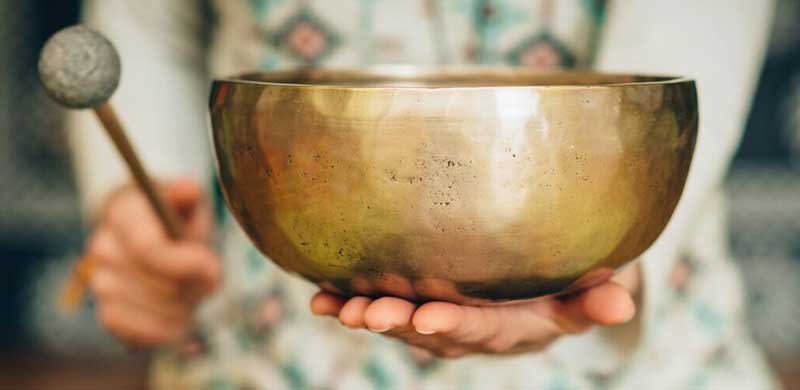

Sound healing, sometimes also referred to as vibrational medicine, is a practice that uses the power of sound and its vibrations to restore one’s mind, body, and spirit to a state of balance and harmony. Sound healing is based on the fundamental principle that all matter, including our bodies, consists of vibrations or frequencies (Perricone, 2008). When our physical and mental health becomes out of balance, applying specific sound frequencies can help realign these imbalances, thus supporting healing processes.
Ancient cultures have long understood the power of sound, having integrated it into various practices of healing and spirituality. The indigenous Australians used the didgeridoo, an instrument believed to induce healing, while the ancient Egyptians recognized the healing power of vowel sounds (Gaynor, 1999). Ancient Indian spiritual traditions often incorporated the use of mantras and chants, demonstrating an intrinsic understanding of the transformative power of sound.
These principles have guided contemporary sound healing practices, rooting them deeply in the wisdom of ancient cultures worldwide. By acknowledging this history, we respect and uphold the power of the sacred sound in its application to healing and transformation.
Discussing the Transformative Effects of Sound on the Body, Mind, and Spirit
The profound impact of sound on our body, mind, and spirit can be attributed to the principle of resonance, which states that when two objects naturally vibrate at the same pitch, the sound produced by one will cause the other to vibrate in harmony (Maman, 1997). This occurs in our bodies as we are complex resonating systems, highly responsive to the frequencies of sound and vibration.
Research has demonstrated that sound, through its vibration, can have immediate and tangible effects on the body. For example, a study by Beaulieu (2009) showed that specific sound frequencies could stimulate the release of nitric oxide, a molecule integral to the health of our vascular system, thus suggesting the potential of sound as a healing tool.
Not only does sound impact our physical bodies, but it also has profound effects on our mental and emotional states. Studies have found that sound therapy can aid in stress reduction, improve sleep, and enhance our overall wellbeing (Teixeira, 2015). The transformational power of sound extends beyond the realm of the observable, influencing the subtle energies of our spirit and consciousness.
Real-Life Stories of Individuals Who Have Experienced Healing and Growth through Sound Healing Practices
The transformative power of sound healing is not just the subject of scientific study but also finds validation in countless personal experiences. Many individuals have reported remarkable improvements in their physical and emotional health after participating in sound healing therapies.
One such individual, Sarah (name changed for confidentiality), struggled with chronic anxiety and insomnia. After a series of sound therapy sessions where she was bathed in the soothing vibrations of Tibetan singing bowls, she experienced a significant reduction in her anxiety levels and improvement in sleep quality. Her experience echoes the results of a study conducted by Goldsby et al. (2017), which found a significant reduction in tension, anger, fatigue, and depressed mood among patients undergoing sound therapy.
Another individual, David, found relief from chronic back pain through sound therapy involving gongs. His account aligns with a study by Ernst et al. (2010) that observed the effectiveness of sound massage in reducing physical pain. These real-life stories underscore the profound impact of sound healing, providing practical testament to its potential for fostering physical and emotional wellbeing.
Exploring Different Types of Sacred Sound Instruments and Their Unique Healing Properties
There is a myriad of sacred sound instruments, each with its unique healing properties, used in sound healing practices worldwide. Tibetan singing bowls, for instance, are known to produce soothing harmonic tones, which can invoke a deep state of relaxation and aid stress reduction (Goldsby et al., 2017).
Gongs, another powerful instrument, create a range of frequencies that promote a state of spontaneous meditation and relaxation (Snowdon, 2012). The deep, penetrating sound vibrations can shift stagnant energy and stimulate the circulation of vital life energy, or chi.
Crystal singing bowls, made from quartz, are renowned for their high resonance quality. When played, they produce a resonant, pure-tone frequency. Some practitioners assert that these frequencies can stimulate specific energy centers or chakras, assisting in energy balancing (Mercier, 2018). The variety and diversity of these instruments demonstrate the richness of the sacred sound healing tradition, allowing for diverse approaches to vibrational healing.
Techniques for Incorporating Sound Healing into Daily Life for Stress Reduction and Relaxation
Incorporating sound healing techniques into one’s daily life can prove beneficial for managing stress and promoting relaxation. A simple practice involves mindful listening to calming music, a technique supported by research indicating the stress-reducing effects of music (Thoma et al., 2013).
Tuning forks, easily accessible and portable tools, can be another great addition to one’s sound healing toolbox. By striking the tuning fork and placing it near the ears or on various parts of the body, one can experience the healing effects of its vibrations (Beaulieu, 2009).
Additionally, engaging in vocal toning, the practice of creating vocal sounds, can be a powerful self-healing method. By humming or singing, we create vibrations within our bodies, which can promote relaxation, reduce stress, and support overall wellbeing (Kreutz et al., 2004). These are just a few simple yet effective ways to incorporate the benefits of sound healing into daily life, fostering a sense of harmony and wellbeing.
Nurturing a Sense of Resonance and Attunement with the Vibrational Frequencies of Healing Sound
Cultivating a deeper sense of resonance and attunement with the vibrational frequencies of healing sound can further enhance the benefits of sound healing. This process involves becoming more mindful and aware of the sounds and vibrations in our environment and within our bodies.
Meditation practices involving focus on sound, known as Nada Yoga, can be instrumental in developing this sense of attunement. Practitioners of Nada Yoga learn to tune into the subtle internal sounds, gradually developing a refined awareness of the vibrational aspect of their being (Slavich, 2019).
Moreover, regular participation in sound baths, guided sessions where participants are ‘bathed’ in the sounds of various healing instruments, can help one become more in tune with the frequencies of these instruments and their effects on one’s body and mind (Auster, 2018). This active engagement with sound and vibration can foster a sense of resonance, creating a personal symphony of wellbeing.
Promoting Actions That Support the Integration of Sacred Sound for Vibrational Healing
To fully reap the benefits of sacred sound for vibrational healing, integrating these practices into one’s life is essential. Regular engagement with sound healing, whether through attending sound baths, practicing vocal toning, or incorporating healing music into daily routines, can help solidify these healing effects.
Education about the principles of sound healing and its benefits can also play a crucial role in integration. By understanding the science and history of sound healing, one can better appreciate its transformative power and apply it more effectively (McKusick, 2016).
Lastly, cultivating a personal connection with the healing sounds and instruments can enhance the experience. Whether one is drawn to the deep reverberations of a gong or the delicate tones of a crystal singing bowl, connecting with the sound instrument that resonates most can be a profound and personal journey. As we harmonize with the universal symphony of sound, we open ourselves up to a world of vibrational healing.